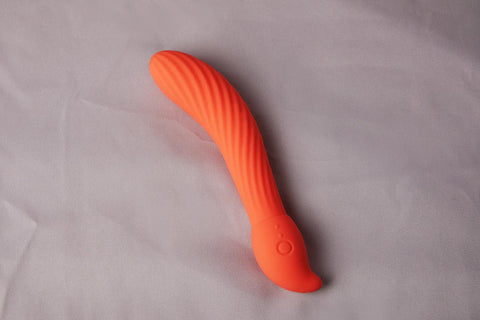

Vibrators have been an important part of human sexuality for centuries. From ancient times to the modern era, these devices have undergone a remarkable transformation, both in design and functionality. This article explores the evolution of vibrators, analyzing how technology and cultural perceptions have shaped these intimate devices into what we know today. Let's embark on this journey and discover how vibrators have evolved over the years!
Origins of Vibrators: A Historical Overview
The history of vibrators dates back to antiquity. Historical records suggest that ancient civilizations, such as the Egyptians and Greeks, already used objects to stimulate sexuality. For example, among the Egyptians, there were instruments made of stone, wood, or other materials that were used for sexual and pleasure purposes. These rudimentary devices were quite different from the electronic vibrators we know today.
Vibrators in the 19th Century
The concept of vibrators began to take shape in the 19th century. Incredibly, they were initially created to treat medical conditions. Doctors of the time believed that female "hysteria" was a condition that required treatment, and vibrators were considered a solution. These devices were powered by hand or with the use of steam engines, allowing women to experience something that, at the time, was taboo.
The Industrial Revolution and the Age of Mass Production
With the Industrial Revolution at the end of the 19th century, vibrators began to be mass-produced. The first patented electric vibrator appeared in 1880. This technological advancement made these devices more accessible and varied. Factories began producing vibrators intended for both women and men, although women were the primary target audience.
The Change in Social Perception
During the early 20th century, vibrators continued to evolve in design and functionality. However, the rising Victorian morality led to many of them being viewed with disdain and associated with immorality. Female sexuality, in particular, was rife with stigma. This resulted in a decline in the use of vibrators during the first half of the 20th century.
The Sexual Revolution of the 60s and 70s
In the 1960s, there was a drastic shift in attitudes towards sexuality. The sexual revolution challenged social norms and gave women new freedom. Vibrators began to be embraced as instruments of pleasure and self-exploration. The rise of the feminist movement also contributed to this positive change, advocating for female sexuality as a healthy part of life.
Vibrators as Art
The 1970s also brought an influx of creativity to vibrator design. They began to resemble works of art more than medical devices and were often stylized. Vibrators shaped like animals or with innovative designs began to appear on shelves, making them more appealing to consumers. This era also saw the emergence of sex shop brands that established a safe space for sexual exploration.
Technological Advances and Innovation
With the arrival of technology in the late 20th and early 21st centuries, vibrators underwent significant innovations. The introduction of medical-grade materials, such as silicone, improved safety and comfort. Rechargeable batteries and powerful motors allowed for a more intense and personalized experience. Today, many vibrators come with multiple vibration settings and patterns that can be adjusted to the user's preferences.
The Role of the Internet in the Spread of Vibrators
The internet has played a crucial role in the standardization and popularization of vibrators. With the rise of e-commerce, people have been able to explore and purchase intimate products privately and discreetly. Blogs, vlogs, and social media have become popular platforms for openly discussing sexuality and products, contributing to wider acceptance. Currently, many influencers and bloggers talk about their experiences with vibrators, breaking down stigmas and encouraging self-exploration.
Types of Vibrators Today
Today, the variety of vibrators available is impressive. They come in all shapes and sizes, catering to different needs and preferences. Here are some of the most common types:
- Clitoral vibrators: specifically designed for clitoral stimulation, offering an intense experience.
- Internal vibrators: for vaginal or anal stimulation, often with curved shapes to reach specific pleasure points.
- Couple's vibrators: designed for use during sex, providing pleasure for both partners.
- Portable vibrators: small and discreet, perfect for taking on trips.
- Smart vibrators: connected to apps, offering a personalized experience with remote control.
The Importance of Sex Education
As vibrators have become more common, the importance of sex education has also increased. With more information available, people are becoming more aware of their own sexuality and are more willing to explore new ways to achieve pleasure. Workshops, courses, and online resources have helped many become familiar with and comfortable with the variety of products available.
Challenges and Future of Vibrators
There are still challenges to be faced in the vibrator industry. Many brands struggle with censorship and misinformation surrounding sex products. However, cultural acceptance is gradually increasing as people become more open to talking about sexuality. The future is expected to bring even more innovations, including new vibration technologies and customized designs.
The Advancement of Inclusion
Beyond technological innovation, inclusivity in the vibrator industry has advanced. Manufacturers are now more attentive to the diverse needs of consumers, creating products for people with disabilities and different sexual orientations. This evolution highlights the importance of catering to all body types and desires, promoting healthy sexuality for everyone.
Let's Celebrate Evolution
In short, the evolution of vibrators reflects changes in cultural attitudes and technological advancements. These devices have gone from tools associated with taboos and stigmas to icons of self-exploration and pleasure. It is essential that we continue to promote open dialogues about sexuality and celebrate innovations that break down barriers. Vibrators are not just products; they are resources that help people connect with themselves and enjoy pleasure in a healthy and positive way. Unleash your desire and explore all that this evolution means for you!